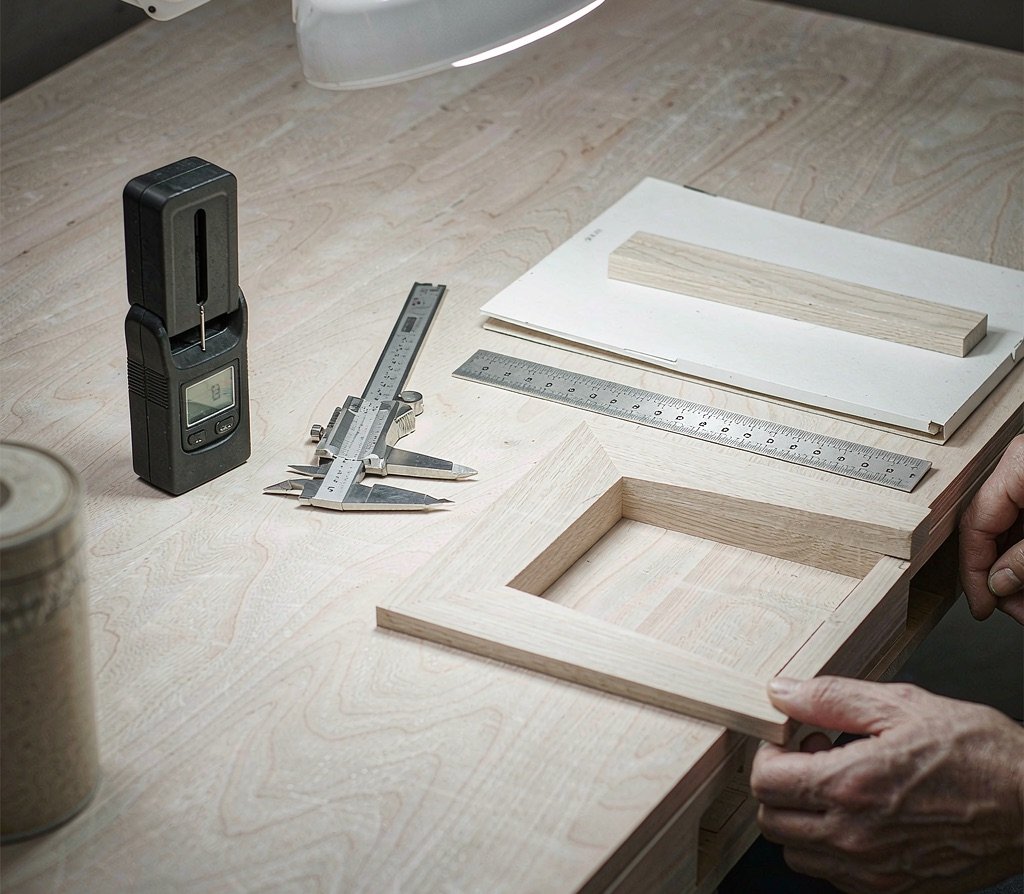
Every bespoke piece starts with a material conversation. Understanding how timber behaves — its stability, grain, colour shift and finish compatibility — is what separates a beautiful piece from a problem piece.
Solid wood vs veneer
Solid wood offers authenticity, repairability and long life, while veneer allows consistent grain and larger stable panels. High-end custom furniture usually combines both: solid frames and joinery with book-matched veneer on large surfaces.
Popular hardwood species
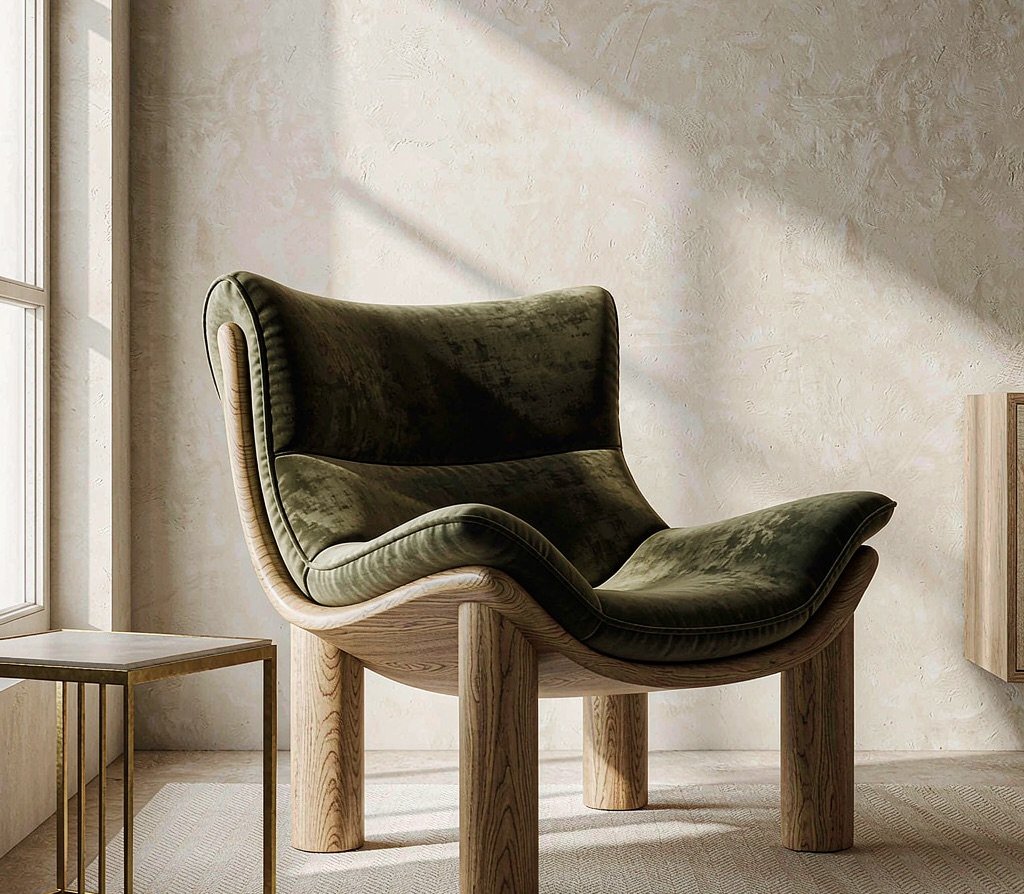
White oak suits modern and Japandi interiors with its pronounced grain; walnut brings warmth and depth; ash offers pale, elastic timber for curved work; cherry deepens beautifully with age. Always specify kiln-dried timber from certified sources.
Finish systems
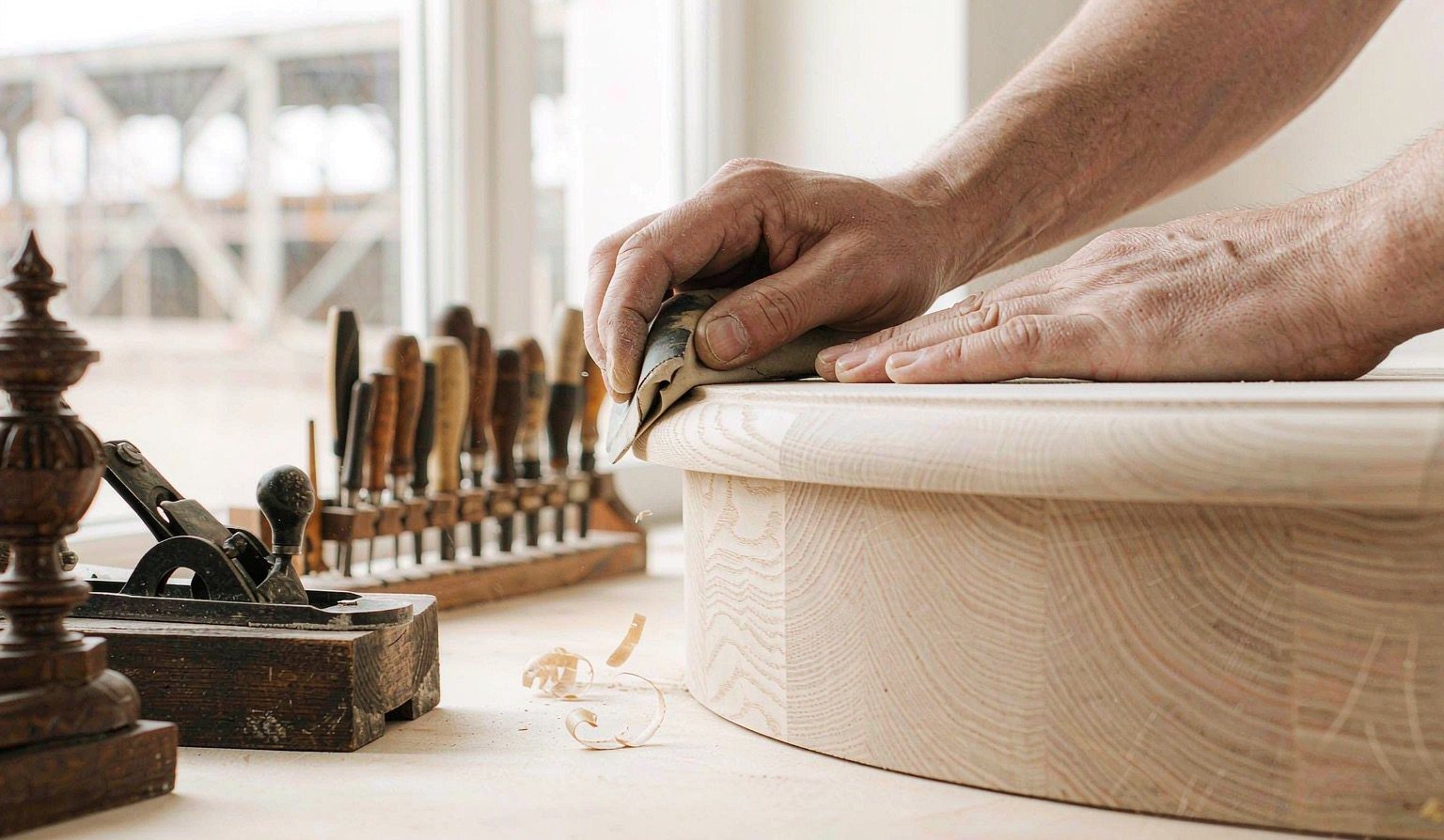
Natural oils and hard-wax oils highlight the wood and are easy to repair; matte lacquers give uniform colour and high durability; open-grain finishes keep texture. Ask for low-VOC systems and request finish samples on your actual timber.